3 Things to Avoid as a New Product Leader
· 2 min read
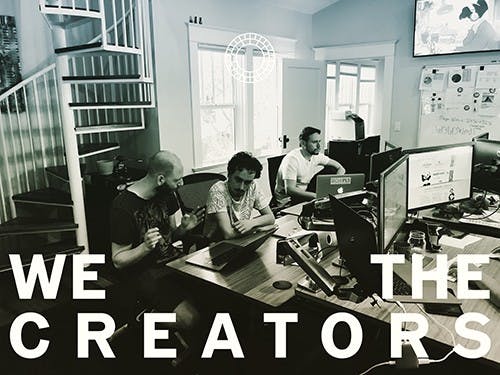
I lead a Product Development team at Delivery Dudes. I work with software engineers, a designer, and myself to build products for our customers, drivers, and restaurants. These are some things I've learned the hard way.
1. Designing and Building in a Silo#
Over communication during the product development process never happens. Engage your users and conduct user interviews. You'll never regret it.
When you're building products in isolation, you lose touch with the real problems your users face. It's tempting to think you know what's best, but the reality is that your assumptions need constant validation.
The solution is simple: talk to your users early and often. Schedule regular interviews, observe how they use your product, and listen to their frustrations. The insights you gain will be invaluable.
2. Operating as a Feature Factory#
Effective product leaders prioritize outcomes over outputs. Don't just ship features blindly—build, measure, and iterate.
It's easy to fall into the trap of measuring success by the number of features you ship. But shipping features without understanding their impact is a recipe for building bloatware that no one uses.
Instead, use frameworks like OKRs (Objectives and Key Results) to define measurable results before shipping work. Ask yourself: What outcome are we trying to achieve? How will we know if this feature is successful?
3. Solving Customer Problems with Features and Assumptions#
Teams often jump straight to building features without identifying the underlying problems. Don't copy competitors' features without understanding your customers' actual needs.
I've seen teams waste months building features because "our competitor has it" or "we think users want this." These assumptions are dangerous. As a product leader, you bear responsibility for how resources are allocated.
Before building anything, ask:
- What problem are we solving?
- How do we know this is a real problem?
- What evidence do we have that this solution will work?
---
I owe a lot of my thinking to Marty Cagan's book *Inspired*. If you're in product, it's essential reading.
*Originally published on HackerNoon.*